 Nizatidine Prices: Why Early Supply Alerts Are Crucial
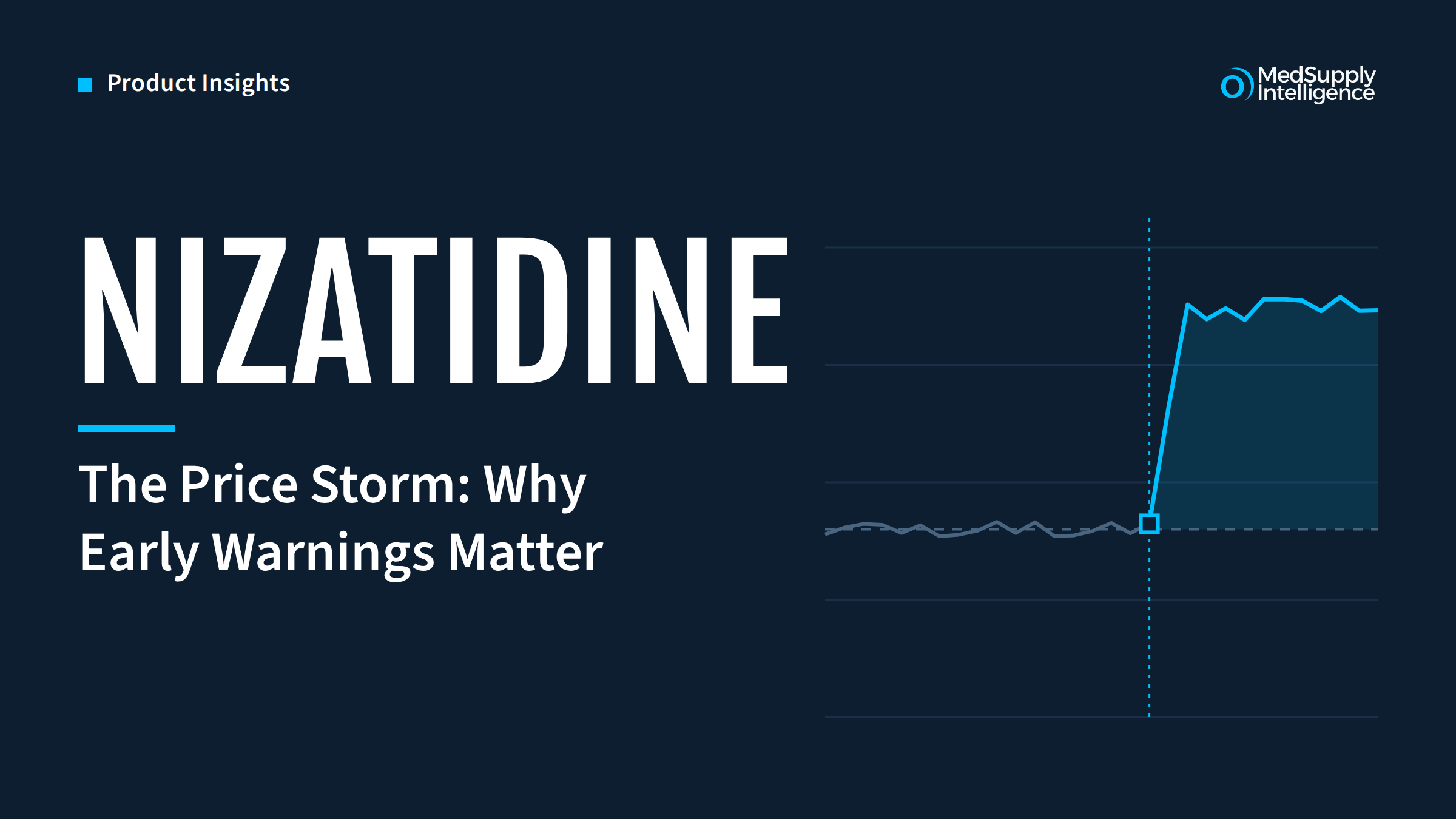
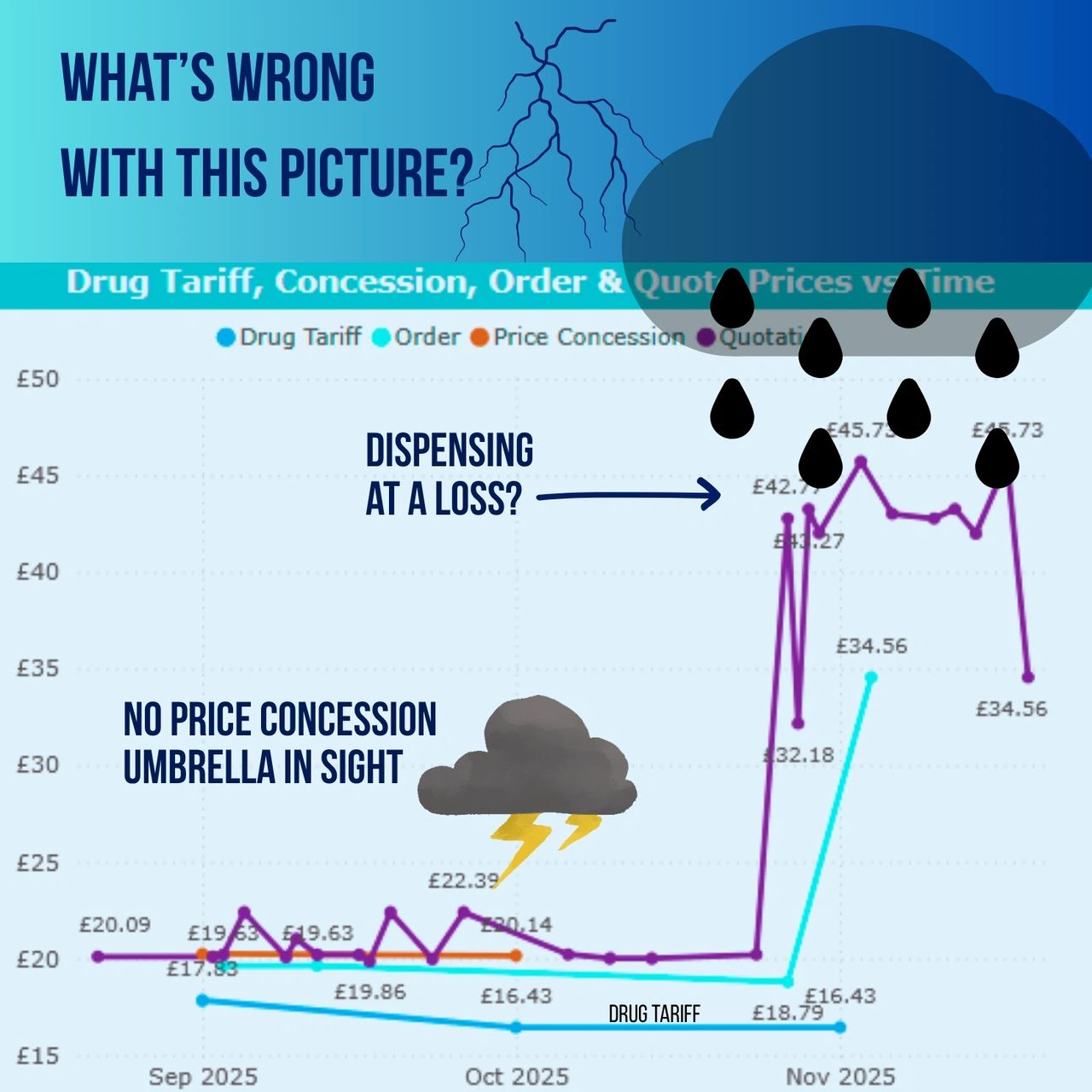
In late October, pharmacy procurement teams faced a familiar challenge. After a period of relative calm, the price of Nizatidine surged, catching many by surprise. The cost climbed significantly above the drug tariff, with no price concession in sight to offer relief. This sudden market turbulence left many scrambling, forced to absorb higher costs and manage the disruption to their budgets and supply chains.
This scenario is a common one in pharmaceutical procurement. A price hike appears suddenly, and teams are thrown into a reactive mode, trying to mitigate the financial damage. But what if this price increase was not sudden at all? What if the signals were there for months, offering a clear warning of the storm to come? The Nizatidine price hike was not an overnight event; it was the predictable outcome of a series of market signals that began eight months earlier. For those with the right tools, the writing was on the wall.
Tracing the Timeline: From Signal to Price Spike
The story of the Nizatidine price increase begins long before the invoices reflected the new reality. It started in February with a series of supply alerts that, when viewed together, painted a clear picture of growing market instability.
February 2023: The First Warning Sign
The first critical alert came from Australia. A medicine shortage was reported due to a manufacturing issue. While a problem on the other side of the world might seem disconnected from the UK market, it is a vital piece of the puzzle. The pharmaceutical supply chain is a global network. A manufacturing disruption for a specific active pharmaceutical ingredient (API) or finished product can have ripple effects that cross continents. This initial report was the first indicator that the Nizatidine supply chain was under pressure.
February to October 2023: A Cascade of Alerts
Following the initial report, MedSupply Intelligence tracked a sequence of 18 distinct supply alerts related to Nizatidine. These alerts were not isolated incidents but a developing pattern of risk. They included signals like regulatory updates, further manufacturing news, and shifts in supplier behaviour in different markets. Each alert on its own might seem minor, but together they formed an undeniable trend of escalating supply risk.
October 2023: The Inevitable Outcome
By October, the cumulative effect of these disruptions began to manifest at the pharmacy level. Community pharmacies started reporting that Nizatidine was out of stock. This was not a surprise; it was the logical conclusion of the supply issues that had been building for months. Shortly after these on-the-ground stockouts, the price hike hit the market. The calm weather had given way to the pricing storm that had been forecast by the data all along.
The Cost of Reactive Procurement
For teams without access to this predictive intelligence, the price hike felt like a sudden and unavoidable problem. This reactive position carries significant costs:
-
Financial Impact: Paying prices well over the drug tariff puts immense strain on budgets. Without warning, there is no opportunity to secure stock at a lower cost before the spike, leading to budget overruns.
-
Wasted Resources: When a shortage hits, procurement teams are forced to drop everything. They spend countless hours chasing limited stock, vetting new suppliers, and processing emergency orders. This is time that could be spent on strategic planning or clinical support.
-
Patient Care Risks: Supply instability can ultimately impact patient access to essential medicines. While teams work to find alternatives, there is a risk of treatment delays or interruptions.
This cycle of reacting to crises is inefficient and unsustainable. It keeps pharmacy teams on the back foot, constantly dealing with yesterday’s problems instead of preparing for tomorrow’s.
The Proactive Advantage: MedSupply Intelligence
MedSupply Intelligence gives you the foresight to act before the market turns
The Nizatidine case study demonstrates the power of shifting from a reactive to a proactive procurement strategy. This is where MedSupply Intelligence provides a decisive advantage. Our platform is not just a tool for tracking prices; it is an early warning system for the entire pharmaceutical market.
We provide an unparalleled view by synthesising data from a vast range of global sources. This allows us to detect the weak signals that precede major market shifts. The manufacturing issue in Australia was not just a piece of trivia; it was an actionable insight.
By using MedSupply Intelligence, your organisation can:
-
Stay Informed: Receive real-time alerts on the products that matter most to you. Our system tracks global supply chain events, regulatory changes, and pricing trends, giving you a complete picture of market dynamics.
-
Minimise Risks: The 18 alerts preceding the Nizatidine price hike provided an eight-month window of opportunity. This lead time allows you to assess the risk, develop contingency plans, and secure your supply chain before a problem escalates into a crisis.
-
Take Control: Armed with predictive intelligence, you can make strategic purchasing decisions. You can secure stock before prices spike, identify alternative suppliers in advance, and negotiate from a position of strength. This turns procurement from a cost centre into a strategic asset for your organisation.
Don’t Wait for the Storm to Hit
The Nizatidine price hike was not a random event. It was a predictable outcome that highlights the critical need for proactive supply chain management. Relying on official shortage notifications or waiting for prices to change means you are already too late.
MedSupply Intelligence gives you the foresight to act before the market turns. It is the edge your organisation needs to navigate an increasingly unpredictable pharmaceutical landscape. Stop reacting to market turbulence and start preparing for it. With the right intelligence, you can protect your budget, secure your supply chain, and ensure continuous patient care.