**The UK has been experiencing frequent medicine supply disruptions for many years, which some call a “new normal”. These issues are caused by a combination of factors, including increased demand, pricing and reimbursement strategies, manufacturing and distribution problems, geopolitical factors , such as the COVID-19 pandemic, the war in Ukraine, and Brexit and slower drug approval post Brexit (the UK has been slower to approve new drugs authorized centrally than the EU. For example, in the year to December 2023, the UK approved 56 drugs that were authorized in Europe later, and eight that were not approved at all). **
These factors stress the medicine supply chain and contribute to global supply issues. In 2023, drug companies issued 1,634 alerts warning of impending shortages, more than double the number of alerts issued in 2020. As a result, patients may have to switch to alternative drugs or struggle to access medicines. The UK government has responded by increasing price concessions, where they give extra funding when there are no drugs left at the NHS price. In late 2022, price concessions peaked at 199 per month, up from rarely more than 20 per month before 2016.
Medicine shortages can have significant impact on patients, including reduced access medicines, increased costs and out-of-pocket expenses, safety risk including being forced to use less safe or less effective
The cost to manage or mitigate drug shortages are borne by healthcare systems. For example, in 2023, the NHS spent an extra £50.35 million on medicines during December due to shortages, which was a 40% increase on the previous month. Shortages can also create extra work for pharmacists, who may spend an average of 11 extra hours each week tracking down medicines for patients. Pharmacies may also take financial risks by purchasing medicines without knowing if they will be fully reimbursed.
The Darzi report has recognised the dire state of the NHS. Medicines shortages contribute directly and indirectly to many of the key issues highlighted in the report - from to inability of patients to access GPs (increase in workload from GPs having the change prescriptions), staff engagement (abuse faced by prescribers and dispensers when patients cannot access their medication), and access to community pharmacy (shortages are believe to be a key contributor to the escalation in closures of community pharmacy).
In 2023, iethico and Health Innovation Network in the east midlands commissioned York Health Economics consortium to conduct an independent health economic assessment of the impact of shortages in secondary care, and the savings that could be realised by using iethico’s MedSourcing Hub.
Pharmacies can easily request solutions to supply issues and track medicines in real time, receiving instant notifications for shortages and reducing the amount of time spent on lengthy calls and emails.
The study estimated iethico could save around £28,600 per pharmacy annually, translating to £200m per annum for the NHS in England in secondary care. Similar results are anticipated in primary care offering a potential saving of over £400m per annum.
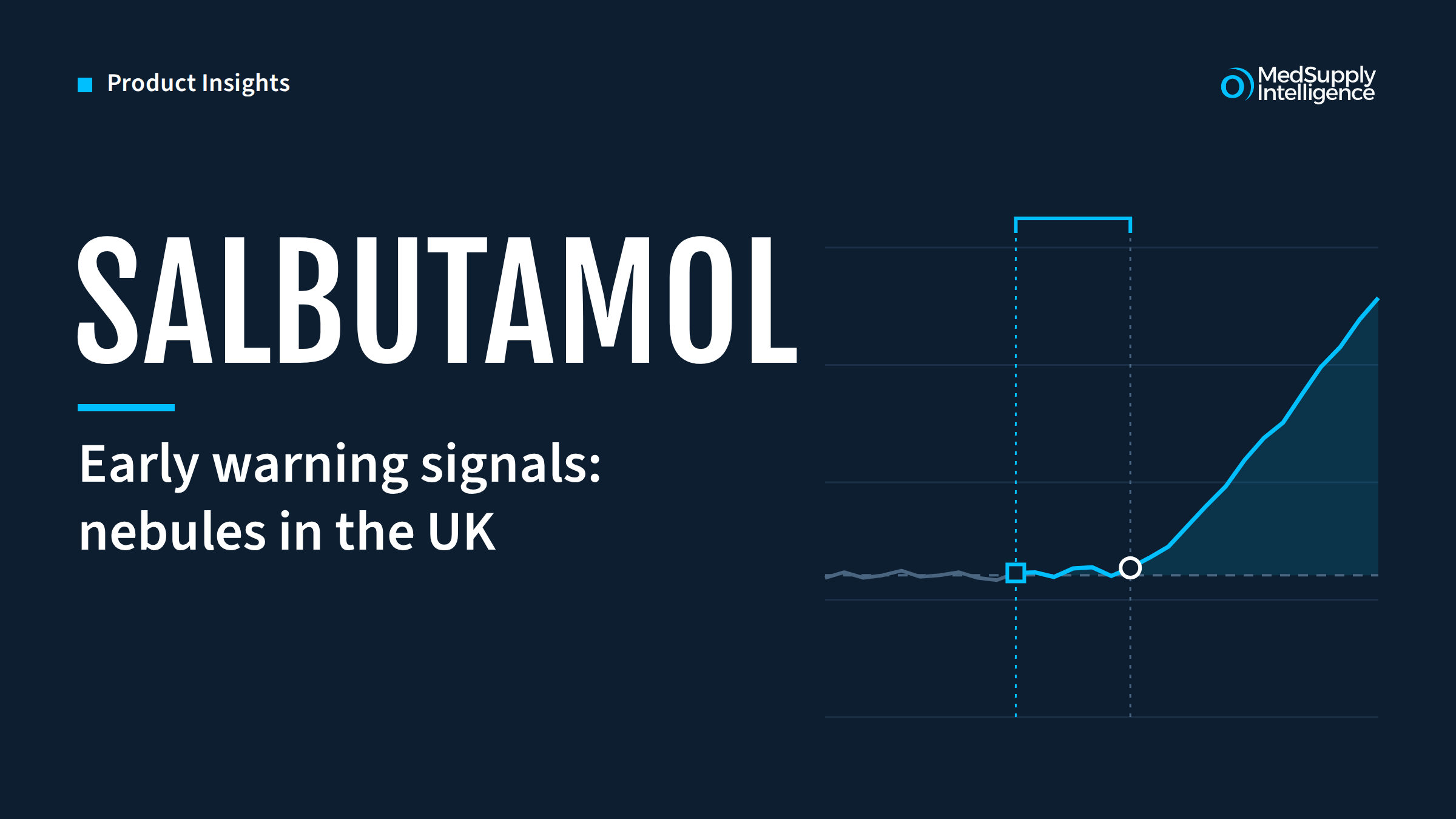
In late 2023 iethico MedSupply Intelligence team identified early warning signals regarding the supply of salbutamol nebules in the UK, an essential generic drug used to treat breathing problems caused by conditions such as asthma and respiratory syncytial virus.
Demand for the product had not changed significantly, however several suppliers common to the UK had experienced manufacturing and supply constraints. The product (also known as Albuterol), had been in short supply since early 2023 in the US as the result of a major US supplier filing for bankruptcy. Other US suppliers had also reported manufacturing issues and the FDA had added the product to its shortage list.
In Australia, the TGA reported the GSK brand Ventolin was expected to be in shortage from mid November 2023 until August 2024 and the Cipla product had been unavailable since 2022 and not expected to return until Feb 2025 (Cipla and GSK also produce Salbutamol nebules for the UK market). As a result of shortages in Australia, the TGA issued a temporary approval for the importation of UK packs of Salbutamol manufactured by Accord.
In late 2023, iethico’s MedSourcing Hub began to receive reports from primary care pharmacies in the UK struggling to access the product, and in early 2024 the first price concessions were issued for 2.5mg product. By identifying the issue early, iethico was able to proactively set up alternative sources through its network of suppliers.
In 2024 iethico requests for salbutamol nebules increased exponentially. A Medicines Supply Notification was issued on 14 February 2024, followed by a National patient safety alert on 26thFeb 2024. Salbutamol nebules were added to the list of medicines that cannot be exported from the UK or hoarded on 20thFebruary 2024.
Throughout this period (December 2023 to July 2024), the early warning and proactively set up alternative supplies allowed iethico users to have uninterrupted access to the product, without the normal increase in workload or bureaucratic burden whilst also managing to maintain prices.